AtlasBeta

Building supply managementBeta

Run the whole yard from one system.

Atlas is building supply management for lumber, steel and post-frame suppliers. Takeoff, quoting, orders, inventory, CRM and accounting in one place, built by people who sell buildings every day.

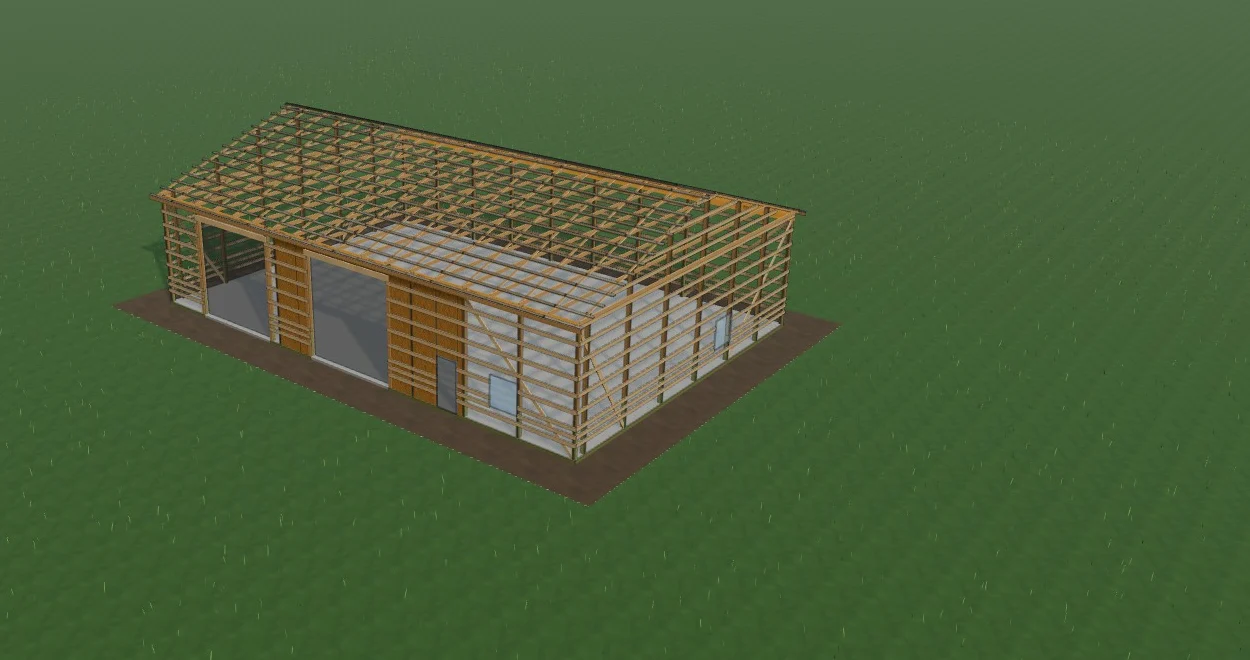
A post-frame building in the Atlas takeoff builder with the steel hidden, showing every post, girt, purlin and truss.
Not a rendering. This is the takeoff, with the steel turned off, and every board in it is a line on the quote.

Everything on this page already works. It runs a lumber and steel yard in Wyoming every day, and it is still being built.

1,478changes in 92 days,each one dated

Three systems that do not agree.

The quote is a spreadsheet. The inventory lives in the yard's system. The customer's history is in someone's inbox. Every job gets re-keyed at least twice, and the number the customer saw is not the number the yard pulls. Atlas is one record from the first sketch to the paid invoice.

A building, from sketch to signature

Or watch the 72-second takeoff tour, from a building's size to a signed order.

Draw it

The building goes up as you answer questions.

Width, length, height, pitch, doors, colors. The picture and the bill move together, so a salesperson on the phone can change a door size and watch the quote follow. The settings rail holds the whole job: foundation, posts, roof, wainscot, openings, lean-tos, interior.
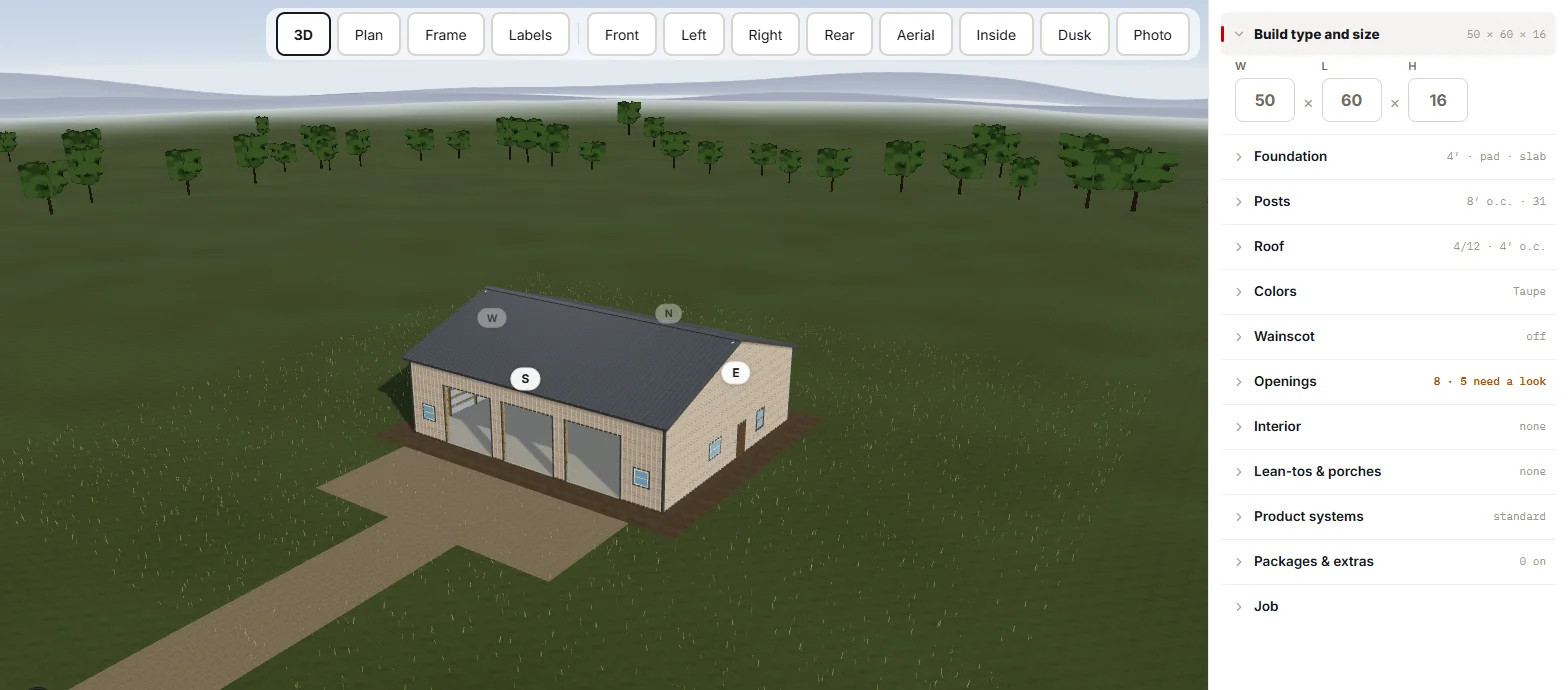
The Atlas takeoff builder: a post-frame building in 3D beside the settings rail for foundation, posts, roof, colors, wainscot and openings.
The builder. Fifty by sixty by sixteen, four-twelve roof, eight-foot bays.

Cost it

Turn the steel off and every board is there.

Posts on the grid, girts and purlins on their spacing, trusses, corner bracing, headers over the openings, the skirt board. Tap a part and Atlas names the item it bills. Nothing in the picture is a stand-in for a line you cannot see on the quote.

The same building with the steel hidden, showing posts, girts, purlins, trusses and corner bracing.
Frame view. What the yard pulls, drawn to the same grid the bill counts.

Sell it

The customer leaves with a drawing set, not a total.

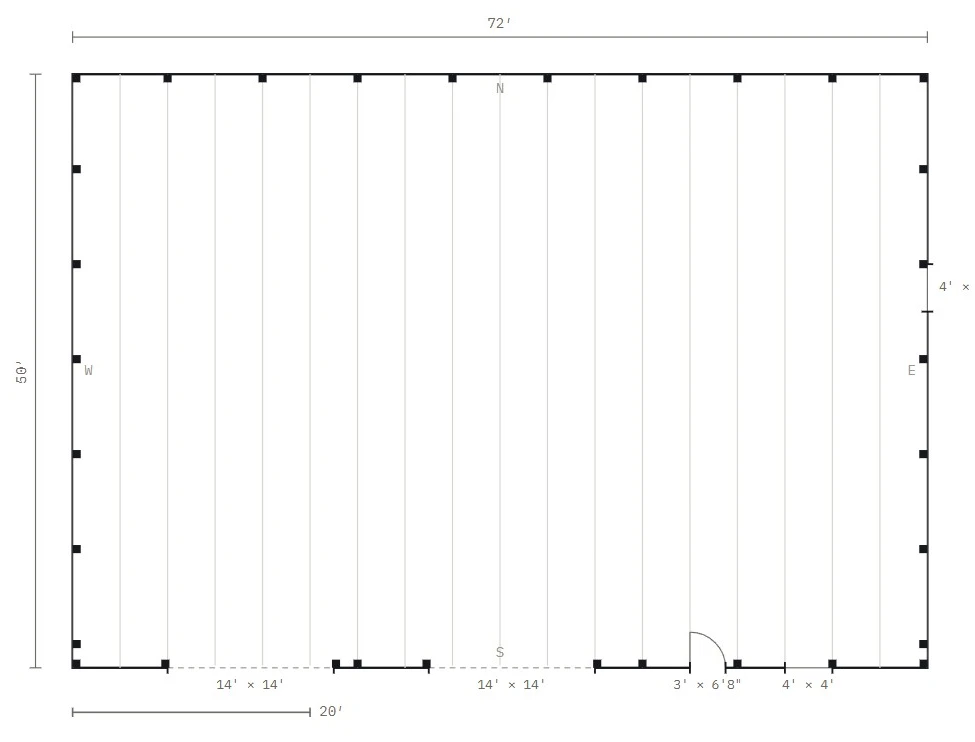
A dimensioned plan, elevations, a post layout the crew can run a tape against, a cross section and the eave detail. It prints with the quote, rides the confirmation and the invoice, and goes to the vendor when a piece of trim is special.

A dimensioned plan sheet with post spacing, purlin lines and opening callouts.
The plan sheet. Every opening called out, every post where the layout puts it.

And the rest of the yard

Catalog and pricing

One catalog with cost, price levels and margin targets by category. Assemblies roll their cost from the recipe. Set a rate once, apply it across a family, reprice the open quotes.

Orders and fulfillment

Quote, order and invoice are one document moving through stages. Orders bundle into yard units by weight, packs build on screen, and a load checks against the truck before it leaves.

CRM

Leads, a queue for today, and a thread per job. Reps connect their own email, so every customer message lands on the record without anyone re-typing it.

Accounting

Invoices, receivables, payments, credit memos and deposits, with a ledger behind them and money fields visible only to the roles that should see them.

Field, fleet and equipment

Field tasks with photos, scalehouse weigh-ins, truck and trailer weights from a phone, and equipment maintenance with preventive schedules and work orders.

An AI that stays inside the rules

It uses the same permission-checked procedures your people use, inherits one user's scope, proposes rather than acts, and lands in the same audit ledger as a human.

How it starts

  1. Step 1

    Send your catalog

    Atlas reads your SKUs and files them into categories, so the takeoff prices from your own items on day one.

  2. Step 2

    Answer the setup interview

    Your framing rules, standard sizes and pricing tiers become a rule book written in plain sentences you can read and correct.

  3. Step 3

    Take off a building you already sold

    Quote it in Atlas and compare the bill to what you actually pulled. You decide on evidence, not on a demo.

One rail, three tiers

Atlas is one shared backbone, not three programs passing files. A wholesale vendor pushes a price update into your Atlas and you accept or reject it in one click. Your contractors design in the same builder your reps use and send the building to you. Whether you make the trusses or buy them, it is one bill, and nothing is re-keyed on the way.

  1. Wholesale vendorstop of the rail

    Manufacturers and distributors who sell to the yard

    Publish a catalog and per-yard prices once.

    For wholesale vendors
  2. Suppliersmiddle

    Lumber, steel and post-frame yards, whether they manufacture, buy in, or both

    Take off, quote, build or buy, sell and deliver the building.

    For suppliers
  3. Contractorsend of the rail

    Builders and crews who buy from the yard

    Design the building and send it to the supplier.

    For contractors

Down the rail: catalog, prices and product facts, from the vendor into the supplier's Atlas, and from the supplier into the contractor's builder.

Up the rail: a designed building from the contractor to the supplier today, and purchase orders from the supplier to the vendor next.

Why this one and not the slideshow

It sells buildings today

Atlas was built inside a working yard, against real jobs, by the people answering the phone. The rules in it came from arguments about real bills.

You can check the receipts

Every change is posted with its date on a public changelog. Ask any other software company for the same page and see what you get.

It says what it cannot do

Atlas is in beta and the site says so. When a takeoff is missing a fact it needs, it tells you instead of guessing a number.

Built to be trusted with the books

Your data stays yours

Every customer runs in its own tenant. Isolation is proven by an automated cross-tenant test suite, not by a promise in a contract.

Every write is checked and recorded

Nothing writes to the database directly. Each change goes through a permission-checked procedure that appends to an audit ledger.

Backed up off-site nightly

A nightly copy leaves the primary region. Money fields are locked to the roles that should see them.

Latest release

v1.3.0September 25, 2026

Trim that reads its drawing

Wainscot cap and overhead-door trim are real geometry from real drawings, the wainscot respects open walls and wings in both the bill and the picture, and a soffit doubling in the export is closed.

433 changes since September 1, 2026.

Read the changelog

Bring a building you already quoted.

We will take it off in Atlas with you on the call, and you can hold the bill against the one you pulled. Thirty minutes, no slides.